Head of the laboratory: Prof. dr ALEKSIJA ĐURIĆ
E-mail: aleksija.djuric@ues.rs.ba
Laboratory equipment and activities:
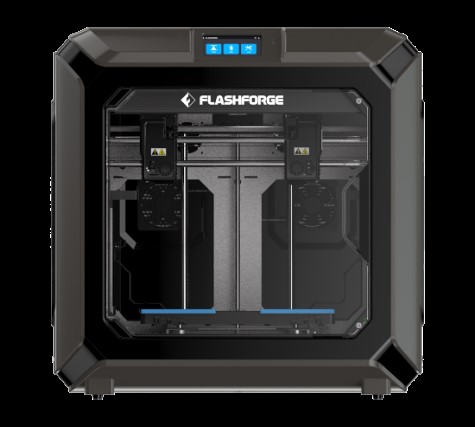
• Two independent extruders (IDEX)
• Technology: FFF (Fused Filament Fabrication)
• Maximum build size: 300x250x200 mm
• Printing speed: 10-150 mm/s
• Layer thickness: 0.1-0.5 mm
• Maximum extruder temperature: 320 ℃
• Maximum base plate temperature: 120 ℃
• Flexible magnetic base plate
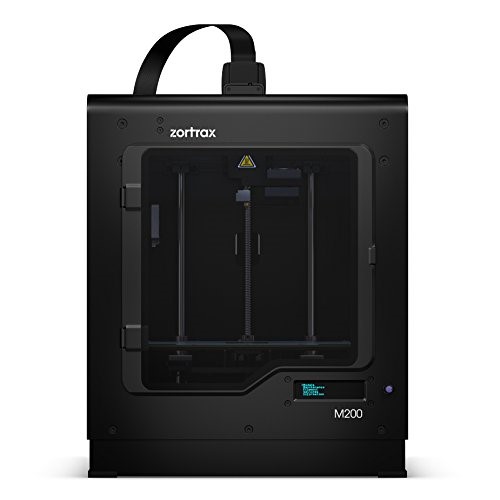
• Single extruder
• Technology: LPD (Layer Plastic Deposition)
• Maximum build size: 200x200x180 mm
• Printing resolution: 90-390 µm
• Max. extruder temperature: 290 ℃
• Max. motherboard temperature: 105 ℃
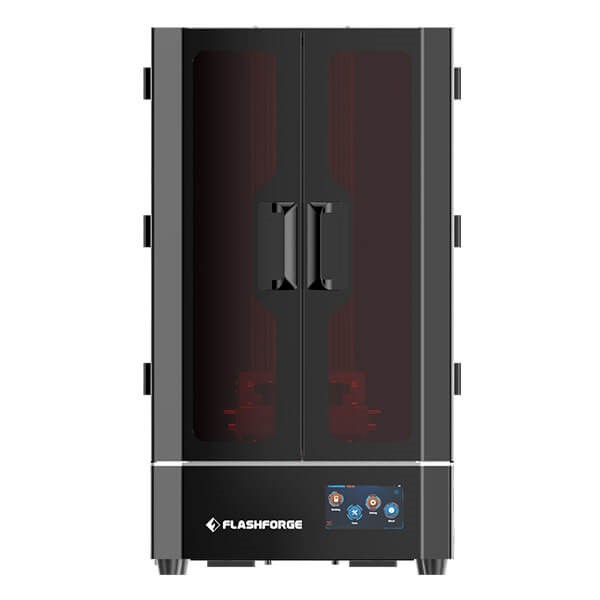
• Technology: LCD (Liquid Crystal Display)
• Maximum production dimensions: 292x165x400 mm
• Layer resolution: 0.05-0.15 mm
• Printing speed: 10-30 mm/h
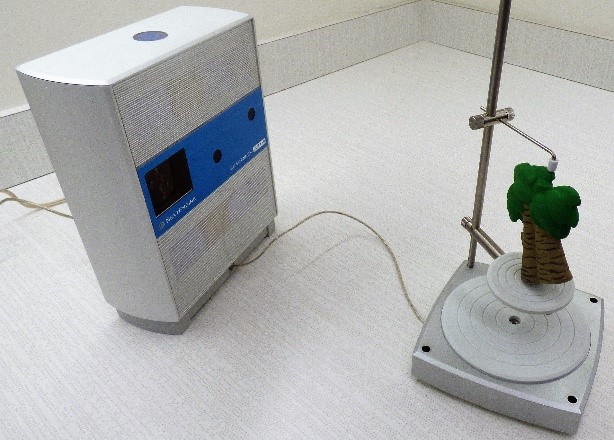
• Technology: Laser Triangulation
• Maximum Resolution: 0.1 mm
• Acquisition Speed: 50,000 points/s
• Maximum Scan Object Volume: 343×257 mm
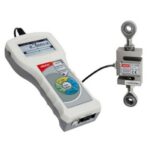
• Range: ± 10 kN
• Resolution: 2 N / 0.2 kg
• Accuracy: ± 0.1 %
• Max. overload: ± 20 %
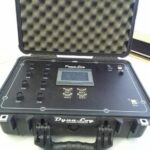
It is used to measure deformations on structures, it has 8 independent measuring channels.
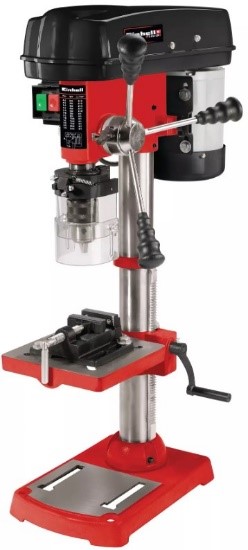
Einehell TC-BD 630 bench drill with associated tools and accessories Features:
• Power: 630
• Speed range: from 250 to 2400 rpm
• Drilling diameter: from 1.5 to 16 mm
• Drilling depth: 60 mm
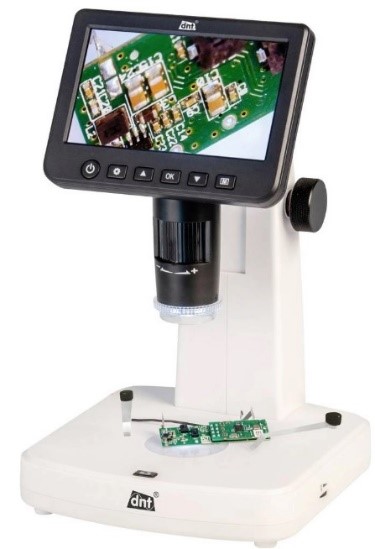
• Maximum digital magnification: 1200x
• Maximum optical magnification: 300x
• Minimum optical magnification: 10x
• Einhell TC-US 350 sander with accompanying tools and accessories;
• TOOLCRAFT multi-tool;
• TOOLCRAFT soldering kit;
• Dremel VERSA multi-tool for cleaning and preparing surfaces;
• Holzmann hot air gun;
• Einhell hot glue gun.
• Education of students in the field of mechanical engineering and 3D technologies (conducting lecture and laboratory exercises);
• Improving the process of product development and design;
• Models, basic principles and methods in RP (Product Development);
• Modeling of technical systems in the area of function, physical effects and forms;
• Rules, principles as well as the place and role of shaping in product development;
• Calculation and structural analysis of structures for operational conditions;
• Structuring problems in RP; • Development and construction of variant products;
• Ecological aspects in product development;
• Methodological approach to product development from the aspect of technologicality;
• Visualization and interaction in product development;
• Product life cycle (PLM) and information systems;
• Life cycle of knowledge systems and software packages for knowledge systems;
• Methods of modeling and optimization of product development processes;
• Innovation and technology management in RP;
• Organization of learning as a focus of knowledge management;
• Human resource management in the product development process;
• Knowledge transfer and efficient use of available knowledge. Teamwork. Evaluation of team participants’ competencies;
• Management of innovative cooperative projects;
• Development and application of decision-making methods in RP;
• Application of methods to ensure goal achievement;
• Development and design of power transmissions (reducers and multipliers – gear, worm, chain, belt, friction, planetary transmissions, variators, gearboxes, combined transmissions);
• Reliability calculation of power transmissions and structures;
• Testing and diagnostics of machine systems and structures;
- Development and application of application software for design;
- Using software tools to create 3D models, technical drawings and simulations;
- Creating digital 3D models for various purposes, from prototypes to final products;
- Reversible engineering; Digitization of physical objects using 3D scanners.
- Creating physical prototypes, tools and functional parts using 3D printers;
- Measuring and analyzing stresses and deformations;
- Simulating the behavior of structures under different loads.
- Designing and analyzing machine joints;
- Cooperation with individual work organizations on the formation of joint research and development teams;
- Cooperation with individual work organizations on the research and development of machines for various purposes according to industry requirements;
- Cooperation with scientific research centers around the world on the development of joint projects;
- Cooperation with scientific research centers around the world in terms of global product development; • Initiating the development of an economic system in accordance with world standards for the development of high-quality, market-competitive products in state institutions and local authorities;
- Proposing and developing conceptual solutions for the introduction of world standards for sustainable development for existing and newly established economic and service entities into their business system;
- Organizing CAD/CAE seminars for users of application software in the field of modeling, preparation of construction documentation, simulations, application of the finite element method in the analysis of the stress-strain state of structures;
- Managing projects for the development of innovative products, in national and international frameworks;
- Organizing educational activities (training, courses, training, seminars, conferences) for students of other higher education institutions and practicing engineers, in the center’s premises or on site (in enterprises or companies).